
Second opinions about my treatment options
Getting a second opinion for any medical condition can be useful. With prostate cancer, where many of the standard treatments have serious side-effects and new treatments are available that aren’t widely known about, it’s crucial.
At The Focal Therapy Clinic, it’s our mission to help you feel confident in the choice you’ve made about your prostate cancer treatment and your future. We have found up to a third of men we see end up having more options available to them after we review their results.
Our specialists have the time to explain your condition, help you understand your prostate cancer journey so far and answer any questions you might have.
This content is not intended to be a substitute for professional medical advice, diagnosis, or treatment. Read more.
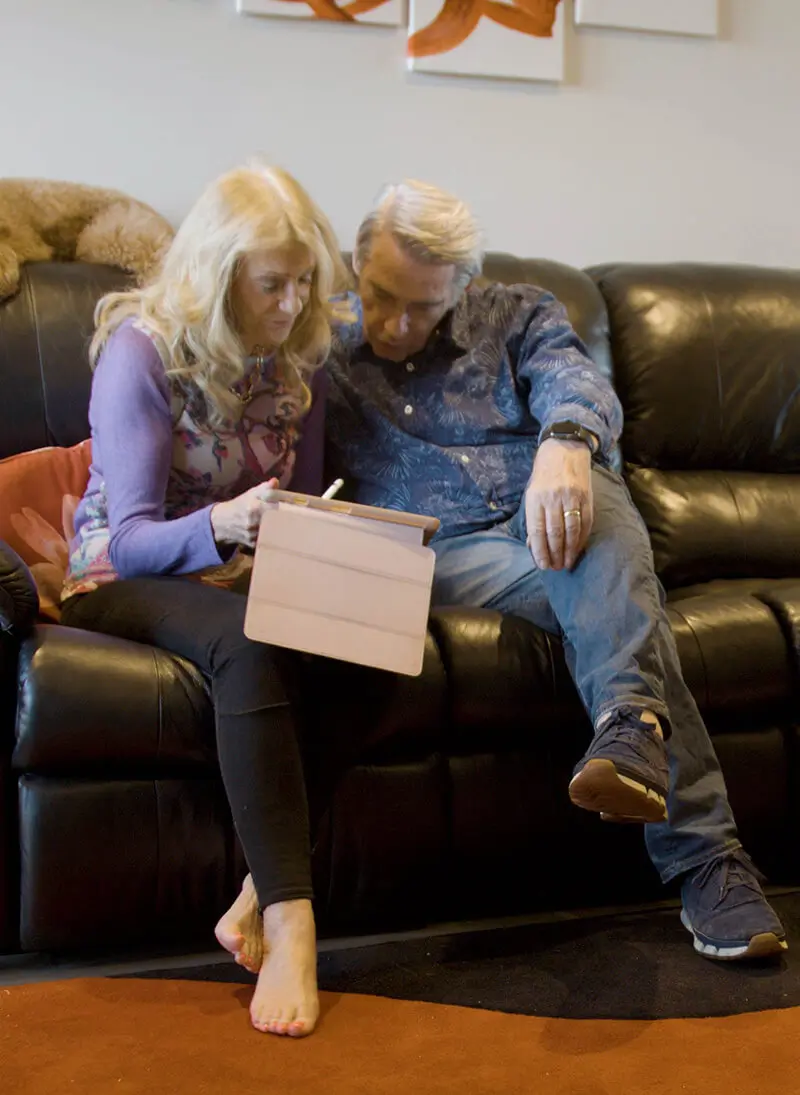
Why should I get a second opinion after prostate cancer diagnosis?
How often could focal therapy be an option for someone told they need a prostatectomy?
“Question everything, and if you’re not happy with what you’re hearing, say, look, you know, I appreciate your opinion, but I’d like to get a second opinion….you’ve only got to do a single search and you’ll find so many different organisations. And The Focal Therapy Clinic is the one that comes up number one on the search…”
Ian Paul
The Focal Therapy Clinic patient
Why should I get a second opinion?
Because focal therapy isn’t being done in many NHS hospitals, many specialists may not know about it, or who is right for it. This might mean they aren’t able to discuss it with you when talking about treatment options.
One thing worth knowing: a second opinion is sought by the patient — not offered by the doctor. You, or often your partner, have to take the initiative. Many men hesitate for fear of offending their specialist, but seeking a second opinion is a normal, accepted part of cancer care, and cancer charities such as Cancer Research UK publish guidance to help you do it.
Partners often lead this process — A Partner’s Perspective on Prostate Cancer describes how one partner’s persistence changed her husband’s treatment path.
Watch: Do I need a referral to come to The Focal Therapy Clinic?
Our team includes world-renowned radiologist Clare Allen, who specialises in reading and interpreting mpMRI scans. Thanks to her many years of experience, she can accurately define the areas of concern on MRI images of the prostate gland and discuss alternative treatment options for each case.
If needed, we can also redo PSA tests and biopsies using the latest transperineal techniques to ensure that the information you have been given is accurate. We also discuss all potential patients in our comprehensive MDTs which help us consider what risks and benefits matter most important to you in a treatment.
After a second opinion, you might decide to stay with your original urologist’s recommendation. We have found that up to a third of the men we see find they have other options they weren’t aware of after we review their results.
Can I afford to wait?
Generally, prostate cancer is a slow growing cancer. Because we have a number of expert urology specialists in our team, we are able to see you for a second opinion within weeks or days, if needed. This means you can see us long before your scheduled treatment and make sure you have made your decision with all the information possible.
Watch: How soon can I get an appointment?
If you have high-risk, aggressive prostate cancer, or prostate cancer with a Gleason score above 7 or which has moved beyond the prostate gland, your consultant is likely to have recommended radical treatment as soon as possible. People with this kind of cancer wouldn’t be suitable for focal therapy.
Can I get a second opinion on the NHS?
You have the right to request a second opinion within the NHS, although waiting times can be around a few months. Getting a second opinion at The Focal Therapy Clinic gives you access to a team of leading urological surgeons, radiologists and oncologists who combine the latest science with their experience of treating the person, not the cancer.
What we review — and why it can change your options
A second opinion at The Focal Therapy Clinic is not just another conversation — it is a review of the four pieces of evidence your diagnosis rests on:
- Imaging — not all MRI scans are equal. Variability in scanner settings, sequencing and radiographic technique can compromise image quality.
- Radiological reporting — the quantity and quality of information drawn from the same images varies considerably between hospitals.
- Biopsy method — the gold standard is a transperineal fusion biopsy; anything else compromises a precision diagnosis.
- Histopathology — laboratories and techniques vary, which can affect Gleason scoring and therefore the treatment options you are offered.
Suboptimal imaging, reporting, biopsy method or histopathology leads to suboptimal treatment recommendations. Where the evidence falls short, we redo the relevant part of the pathway — and we often end up with a different diagnostic picture, supporting different treatment options. Every case is then discussed at our multidisciplinary team meeting before any recommendation is made. See what a private diagnostic assessment involves and costs.
When a second opinion changed the diagnosis itself
Mark Stubbs, a Focal Therapy Clinic patient, describes what happened when Mr Tim Dudderidge suggested re-examining his biopsy samples: “He basically said, look, we’ve rechecked the samples. It’s coming out at Gleason 7 rather than Gleason 9, which does give us quite a few more options in terms of nerve sparing during surgery and also sparing the lymph glands — which to me was priceless… the second opinion, I think, was absolutely pivotal in the choice of treatment.”
Any questions?
If you’ve got any questions about your prostate cancer diagnosis or want to know more about HIFU treatment or NanoKnife treatment, don’t hesitate to get in touch with our friendly, knowledgeable team.
Contact the team

Frequently asked questions
Why should I get a second opinion for prostate cancer treatment?
When you’ve been diagnosed with prostate cancer, getting a second opinion can be incredibly helpful. Different clinicians may have different perspectives on treatment, allowing you to explore all available options including focal therapy, rather than just surgery or radiotherapy. Some specialists may not be aware of all diagnostic tests or alternative treatments available.
At The Focal Therapy Clinic, our multidisciplinary team (MDT) includes top urological specialists, a leading urological radiologist, and a urological oncologist who discuss your case in-depth during our MDT meeting and provide a more refined and personalised treatment recommendation.
Can I afford to wait to get a second opinion for prostate cancer?
For most men with prostate cancer, there is time to seek a second opinion without compromising treatment outcomes. Many prostate cancers are less aggressive, particularly those with Gleason scores below 8, and develop slowly, allowing time for careful consideration of treatment options. However, if you have high-risk or aggressive cancer, your consultant will advise on appropriate timescales.
A second opinion can help ensure you make the best-informed decision about your treatment, which is worth the short additional time in most cases. Our multidisciplinary team at The Focal Therapy Clinic can provide expert guidance on the appropriate timeline for your specific situation.
Can I get a second opinion on the NHS?
Yes, you have the right to seek a second opinion on the NHS. You can request your GP to refer you to another specialist, or ask your current consultant for a referral to a colleague for a second opinion. NHS second opinions may take several weeks to arrange depending on availability.
Alternatively, many patients choose to seek a private second opinion for faster access to specialist consultations and a multidisciplinary team review. At The Focal Therapy Clinic, we offer comprehensive second opinion consultations with our expert team of prostate cancer specialists, including review by our MDT of urological surgeons, radiologists, and oncologists.
What happens during a second opinion consultation for prostate cancer?
During a second opinion consultation at The Focal Therapy Clinic, your case is thoroughly reviewed by our multidisciplinary team (MDT) including a top urological radiologist and leading urological oncologist. We discuss your diagnosis in detail, review all your scans and test results, and explore all available treatment options including focal therapy (HIFU, NanoKnife, cryotherapy), surgery, radiotherapy, and active surveillance.
Our experts provide a refined, personalised treatment recommendation based on your specific cancer characteristics (including Gleason score), PSA levels, scan results, and personal circumstances. This comprehensive approach ensures you have all the information needed to make the best decision for your care, with the confidence that comes from expert multidisciplinary review.
How often could focal therapy be an option for someone told they need a prostatectomy?
If you’ve been told you need a prostatectomy, there’s a good chance that focal therapy could be an alternative. Many men requiring surgery have less aggressive cancers with Gleason scores below 8. If a cancer is not highly aggressive, it is more likely that a targeted focal therapy approach can effectively treat it.
In more than 50% of cases, focal therapy can be a viable alternative to radical prostatectomy. For men looking to avoid the side effects of surgery such as incontinence and erectile dysfunction, focal therapy may offer an effective and less invasive option while still providing good cancer control. A second opinion consultation can help determine if you’re a suitable candidate for focal therapy instead of surgery.
What are the benefits of a multidisciplinary team (MDT) approach for second opinions?
A multidisciplinary team (MDT) approach brings together specialists from different areas of prostate cancer care to review your case comprehensively. At The Focal Therapy Clinic, our MDT includes consultant urological surgeons, a top urological radiologist, and a leading urological oncologist.
This team approach ensures that all aspects of your diagnosis are considered from multiple expert perspectives. Different specialists may identify treatment options or diagnostic tests that others might not be aware of. By discussing your case in-depth during our MDT meeting, we can provide a more refined and personalised treatment recommendation that considers all available evidence and treatment modalities including focal therapy, surgery, radiotherapy, and active surveillance.
To see how these specialist discussions work in practice, read understanding MDT meetings — your care team in action.
Can a second opinion actually change my diagnosis?
Sometimes, yes. A diagnosis rests on your imaging, its reporting, the biopsy method and the histopathology — and quality varies in each. Re-reviewing scans or re-checking biopsy samples can change the Gleason score or the picture of where the cancer sits, which in turn can change the treatment options open to you. Where the underlying evidence falls short, we repeat that part of the pathway to be sure.